In the landscape of modern education, few topics generate as much discussion, debate, and passion as the education of gifted and talented students. These learners, who demonstrate exceptional abilities or potential in academic, creative, artistic, or leadership domains, require specialized approaches to reach their full potential. Gifted and talented education (GATE) represents a critical component of a comprehensive educational system, aiming to provide appropriate challenges, resources, and environments for these unique learners. As educational research continues to evolve, our understanding of giftedness has expanded beyond simple intelligence quotients to encompass a more nuanced, multi-dimensional view of human potential. This article explores the complexities of gifted education, examines current best practices, and considers the future directions that promise to better serve these exceptional students in an increasingly diverse educational landscape.
Understanding Giftedness: Beyond Traditional Definitions
The concept of giftedness has evolved significantly over the past century, moving from simplistic IQ-based definitions to more comprehensive frameworks that acknowledge the multifaceted nature of exceptional abilities. Early definitions, such as those proposed by Terman in the 1920s, primarily focused on high intelligence as measured by standardized tests. However, contemporary understandings, like Joseph Renzulli’s Schoolwide Enrichment Model or Gagné’s Differentiated Model of Giftedness and Talent, recognize that giftedness encompasses a broader range of attributes including creativity, task commitment, and specific talents in various domains. This shift in perspective has profound implications for identification practices, educational programming, and our fundamental understanding of human potential.
Identification of gifted students presents one of the most significant challenges in the field. Traditional methods have often relied on standardized testing, which can disadvantage students from culturally diverse backgrounds, those with learning disabilities, or those from economically disadvantaged families. As a result, many districts are implementing more holistic identification approaches that consider multiple indicators such as teacher observations, performance assessments, portfolio reviews, and nomination from multiple sources. This more inclusive approach acknowledges that giftedness can manifest differently across cultural contexts and may be expressed in ways not captured by traditional measures. For example, research by Frasier and Passow highlights the importance of identifying potential talent in students who may not have had opportunities to develop their abilities fully due to environmental constraints.
The domain-specific nature of giftedness further complicates identification and programming. While some students exhibit exceptional abilities across multiple areas, many demonstrate profound strengths in particular domains such as mathematics, language arts, visual arts, music, or leadership. This understanding has led to more specialized identification processes and programming tailored to specific talent areas. Furthermore, the concept of asynchronous development—where a gifted child’s cognitive abilities may far exceed their social or emotional development—adds another layer of complexity to understanding and supporting these learners. Recognizing these variations is crucial for educators, parents, and policymakers seeking to develop appropriate educational environments that nurture potential while addressing unique developmental needs.
Challenges and Misconceptions in Gifted Education
Despite the growing recognition of the importance of gifted education, numerous challenges persist that limit its effectiveness and accessibility. Perhaps the most pervasive challenge is the persistence of myths and misconceptions about gifted students and their educational needs. One common misconception is that gifted students will “make it on their own” without specialized support. Research consistently demonstrates that without appropriate challenges, gifted students may underachieve, develop negative attitudes toward school, or experience social-emotional difficulties. Another persistent myth is that gifted education is elitist or unfair to other students. In reality, effective gifted education benefits all students through the development of differentiated teaching strategies that can be adapted for diverse learners in heterogeneous classrooms.
Social-emotional development represents another critical area of challenge for gifted students. Many gifted learners experience intensities related to their abilities, including heightened sensitivity, perfectionism, and asynchronous development. These characteristics can lead to unique social-emotional needs that, if unaddressed, may result in issues such as anxiety, underachievement, or social isolation. The phenomenon of “dual exceptionality”—where a student is both gifted and has a learning disability, ADHD, or other special needs—further complicates support systems, as these students often fall through the cracks between regular and special education programs. Research by Neihart and others highlights the importance of addressing the whole child in gifted education, recognizing that cognitive development alone is insufficient for the healthy development of exceptional individuals.
Equity issues remain a significant concern in the field of gifted education. Historically, students from minority backgrounds, those from economically disadvantaged families, English language learners, and students with disabilities have been underrepresented in gifted programs. These disparities stem from a combination of factors including biased identification processes, lack of access to advanced coursework, and systemic inequities in educational opportunities. Addressing these disparities requires intentional efforts to develop culturally responsive identification methods, provide outreach to underrepresented communities, and ensure that gifted programs reflect the diversity of the student population. The work of Ford and Grantham-Thompson underscores the importance of moving beyond colorblind approaches to gifted education toward culturally responsive practices that recognize and value diverse expressions of talent and potential.
Effective Strategies and Approaches for Gifted Education
The implementation of effective gifted education requires a multi-faceted approach that addresses both cognitive and social-emotional needs while promoting equity and access. Differentiated instruction serves as a foundational strategy for meeting the needs of gifted learners within regular classroom settings. This approach involves adjusting content, process, product, and learning environment to provide appropriate challenge. Content differentiation may involve compacting the curriculum to eliminate repetition and allow for acceleration in areas of strength, while process differentiation might provide opportunities for more complex thinking through open-ended questions and problem-based learning. Product differentiation enables students to demonstrate understanding in ways that align with their strengths and interests, such as through creative projects, research investigations, or multimedia presentations.
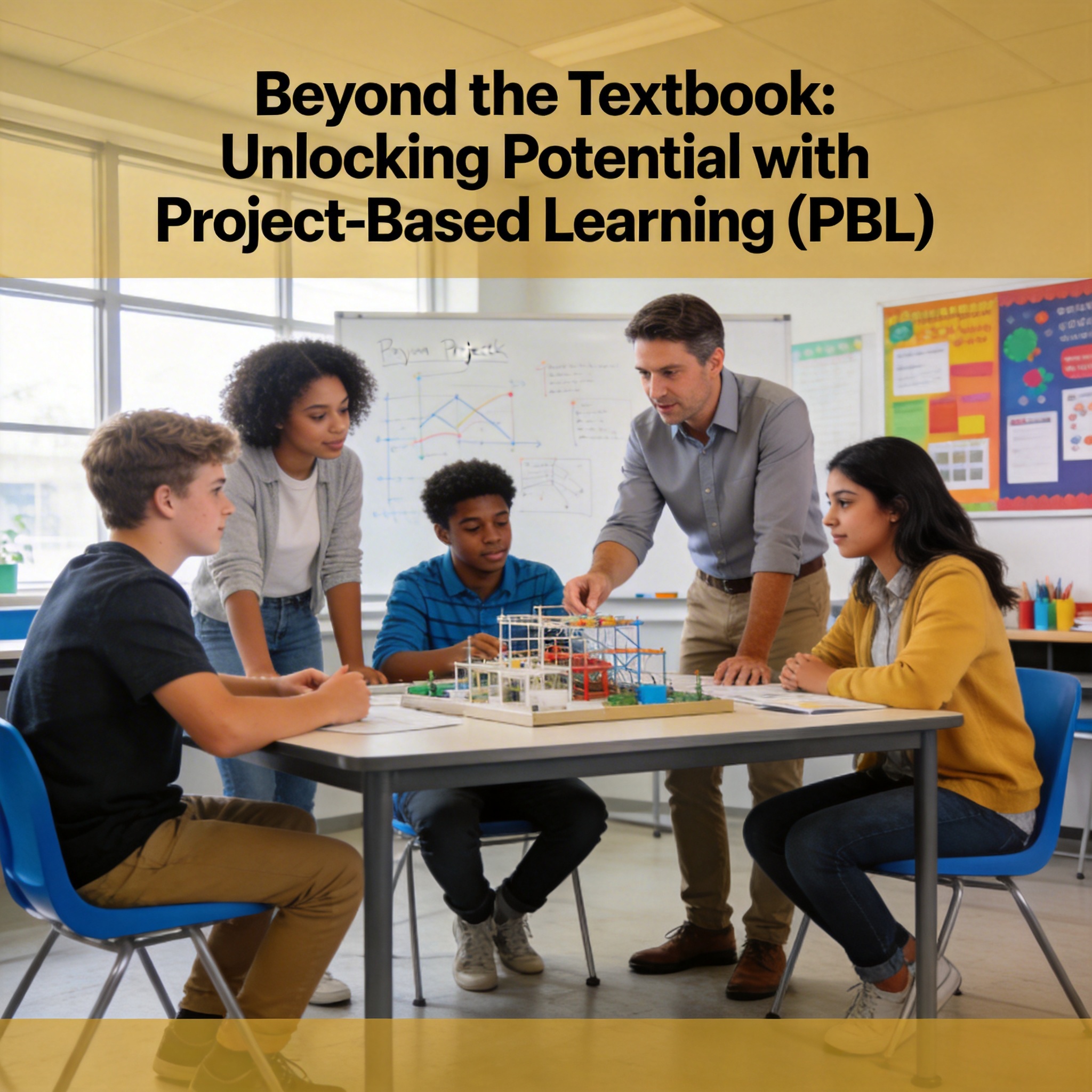
Curriculum models specifically designed for gifted learners offer additional pathways for appropriate challenge. The Integrated Curriculum Model (ICM) developed by VanTassel-Baska emphasizes advanced content, higher-level processes, and interdisciplinary connections to engage gifted students in meaningful learning. The Parallel Curriculum Model (PCM) provides four parallel approaches to curriculum development—core curriculum, curriculum of connections, curriculum of practice, and curriculum of identity—that allow for both depth and breadth of learning. Project-based learning and problem-based learning approaches further engage gifted students by providing authentic, complex problems that require critical thinking, creativity, and collaboration. These models not only address academic needs but also help develop the 21st-century skills essential for success in an increasingly complex world.
Social-emotional support represents a crucial component of comprehensive gifted education. Group counseling, individual counseling, and mentorship programs can help gifted students develop self-awareness, coping strategies, and social skills. The work of Roeper and Silverman emphasizes the importance of addressing the unique emotional needs of gifted learners, including perfectionism, sensitivity, and the challenges of asynchronous development. Creating communities of like-learners through pull-out programs, summer programs, or specialized schools can provide gifted students with opportunities to connect with peers who share their interests and abilities. These communities help reduce isolation and provide social-emotional support that may be difficult to achieve in regular classroom settings. Additionally, professional development for educators plays a vital role in building capacity to recognize and support gifted students effectively, helping teachers understand the characteristics of giftedness and develop strategies for differentiation and challenge.
Current Trends and Future Directions in Gifted Education
The field of gifted education continues to evolve through research, policy developments, and innovative practices. One significant trend is the growing emphasis on talent development rather than simply identifying existing talent. This shift, influenced by the work of Gagné and others, focuses on nurturing potential through appropriate opportunities, support, and challenge. This approach recognizes that giftedness develops over time through the interaction of innate abilities and environmental factors, opening new possibilities for identifying and supporting underrepresented populations. Talent development models often emphasize early intervention, specialized programming, and continuous assessment to support growth across domains.
Policy developments at the state and national levels are shaping the future of gifted education. While federal support for gifted education has historically been limited, with programs like the Jacob K. Javits Act providing only a small fraction of needed funding, some states have established more robust policies and funding mechanisms. The Every Student Succeeds Act (ESSA) provides opportunities for states to include gifted education in their accountability systems and to set aside funds for gifted students. However, significant disparities remain in how states approach gifted education, with some mandating services while others provide minimal support. The work of organizations like the National Association for Gifted Children (NAGC) continues to advocate for stronger policies and increased funding to ensure that all gifted students have access to appropriate educational opportunities.
Technology is transforming gifted education in multiple ways, providing new tools for identification, instruction, and connection. Online learning platforms enable students to access advanced coursework regardless of their geographic location, while adaptive learning technologies can provide personalized learning experiences that adjust to individual needs and pace. Virtual communities and mentorship programs connect gifted students with experts and like-peers worldwide, breaking down geographical and social barriers. However, the digital divide presents challenges, as students without adequate access to technology may be further disadvantaged. As technology continues to evolve, gifted education must ensure that innovations promote equity and access rather than exacerbate existing disparities.
Another emerging trend is the integration of social-emotional learning (SEL) into gifted education frameworks. Recognizing that cognitive development alone is insufficient, educators are increasingly incorporating explicit instruction in self-awareness, self-management, social awareness, relationship skills, and responsible decision-making. This approach, supported by research from the Collaborative for Academic, Social, and Emotional Learning (CASEL), helps gifted students develop the emotional intelligence necessary for success in school, careers, and personal life. Furthermore, the growing recognition of twice-exceptionality (2e) students—those who are both gifted and have learning disabilities or other special needs—is leading to more comprehensive support systems that address both exceptionalities simultaneously.
Conclusion
Gifted and talented education represents a vital component of a comprehensive educational system, providing essential support for students with exceptional abilities and potential. As our understanding of giftedness has evolved, so too have our approaches to identification, programming, and support. Moving beyond simplistic definitions of intelligence, contemporary gifted education recognizes the multifaceted nature of human potential and the importance of nurturing talents across diverse domains.
The challenges facing gifted education—from persistent myths and misconceptions to equity issues and resource limitations—require intentional, systemic solutions. By implementing research-based strategies such as differentiated instruction, specialized curriculum models, and comprehensive social-emotional support, educators can create learning environments that challenge and nurture gifted students effectively. As the field continues to evolve through policy developments, technological innovations, and emerging research, there is growing potential to make gifted education more inclusive, responsive, and accessible to all students with exceptional potential.
Ultimately, the goal of gifted education is not merely to develop exceptional abilities but to help all students reach their full potential. By recognizing and nurturing the diverse talents and abilities present in every student population, we can create educational systems that prepare learners to address the complex challenges of the 21st century. As educators, parents, and policymakers continue to advocate for and implement effective gifted education practices, we move closer to a world where every learner has the opportunity to develop their unique gifts and contribute meaningfully to society.