The landscape of education and professional development has undergone a seismic shift in the last decade. Once confined to the physical boundaries of a classroom or a lecture hall, learning has burst into the digital realm, creating a fluid ecosystem where knowledge can be accessed from anywhere, at any time. At the heart of this transformation lies the concept of Hybrid & Blended Learning. While often used interchangeably, these terms represent a sophisticated pedagogical approach that combines traditional face-to-face instruction with online educational experiences. This is not merely a temporary fix for unprecedented global disruptions; rather, it is the evolution of education into a more personalized, accessible, and efficient model. As institutions, corporations, and individuals grapple with the demands of the 21st century, understanding the nuances, benefits, and implementation strategies of hybrid and blended learning is essential for success.
Defining the Terms: Blended vs. Hybrid
To truly appreciate the magnitude of this educational shift, one must first distinguish between the two key components: blended learning and hybrid learning. Although they share the same DNA of mixing modalities, the execution and intent often differ.
Blended learning is generally defined as an educational program where students learn at least in part through online learning, with some element of student control over time, place, path, or pace. Crucially, in a blended model, the online component is meant to supplement the traditional face-to-face classroom experience. The student might attend a physical school or university for the majority of their instruction but utilize digital platforms for homework, supplementary materials, or collaborative projects. The “blend” happens at the curriculum design level, integrating digital tools into the brick-and-mortar environment to enhance engagement.
Hybrid learning, on the other hand, takes the integration a step further by offering a more flexible structure. In a hybrid course, a significant portion of the learning is moved online, making it possible to reduce the amount of time spent in a physical classroom. Sometimes referred to as “mixed-mode” instruction, hybrid learning often allows students to choose their modality on a day-to-day basis—attending class in person on some days and logging in remotely on others. The distinction here is flexibility and the parity between the two modes. In a true hybrid model, the remote experience is not just an add-on; it is a fully functional alternative to the physical presence.
The Pedagogical Advantages: Why Make the Shift?
The transition to these mixed modalities is not driven by technology alone, but by the profound pedagogical benefits they offer. The traditional “factory model” of education—where a teacher delivers a lecture to a passive room of students at a uniform pace—fails to account for the diversity of human learning styles. Hybrid and blended learning address this by centering the student.
One of the most significant advantages is the ability to personalize the learning pace. In a virtual environment, students can pause, rewind, and re-watch lectures or complex demonstrations. This is particularly beneficial for subjects that require deep conceptual understanding or for students who need more time to process information. Conversely, students who grasp concepts quickly can accelerate through the material without becoming bored or disruptive. This autonomy fosters a sense of ownership over one’s education, shifting the learner from a passive recipient to an active participant.
Furthermore, these models promote “active learning” during face-to-face time. If the lecture content is delivered asynchronously via video, the precious time spent in a physical classroom can be repurposed for discussion, debate, problem-solving, and hands-on activities. This is often referred to as the “Flipped Classroom” model. Instead of using class time to transmit information, the teacher uses it to troubleshoot and deepen understanding. This increases engagement and ensures that the teacher is present when students need the most help—during application, not just consumption.
Resilience and Accessibility
The events of recent years have highlighted the critical importance of resilience in educational infrastructure. Institutions that had already integrated hybrid and blended strategies were able to pivot to fully remote learning with far less friction than those relying solely on in-person instruction. Beyond crisis management, these models offer unparalleled accessibility.
For non-traditional students—those balancing work, family, or other commitments—the rigid schedule of traditional education is often a barrier to entry. Hybrid learning removes these barriers. A working professional can pursue an advanced degree without quitting their job. A student living in a remote area can access courses from top-tier institutions without relocating. Additionally, the digital aspect of these models can support diverse learning needs through assistive technologies, such as closed captioning, screen readers, and adjustable text sizes, creating a more inclusive environment for learners with disabilities.
Overcoming the Challenges: The Digital Divide and Engagement
Despite the clear benefits, the implementation of hybrid and blended learning is not without its hurdles. The most glaring issue is the digital divide. For these models to work equitably, all students must have reliable access to high-speed internet and appropriate devices. In many parts of the world, this infrastructure gap remains a significant challenge. Educational institutions and governments must work together to ensure that the shift to digital does not leave marginalized communities behind. Without this equity, hybrid learning risks becoming a privilege of the few rather than a right for the many.
Another major challenge is student engagement and the phenomenon of “Zoom fatigue.” Video conferencing, while convenient, can be exhausting and lacks the non-verbal cues and spontaneous interactions of a physical classroom. In a hybrid setting, where some students are in the room and others are on a screen, there is a risk of creating a “two-tier” system where remote learners feel like second-class citizens. Educators must be intentional about inclusion, using techniques like rotating breakout rooms, digital whiteboards, and dedicated cameras to ensure remote students are seen and heard.
Maintaining discipline and self-motivation in a less structured environment is also difficult for many learners. The freedom of hybrid learning requires a high degree of executive function and time management skills. Schools and training programs must therefore scaffold these skills, teaching students not just the subject matter, but also how to learn independently. Providing clear deadlines, regular check-ins, and robust support systems is vital to prevent students from drifting away in the vastness of the digital space.
Best Practices for Implementation
Successfully launching a hybrid or blended program requires more than just purchasing a learning management system (LMS). It requires a fundamental rethinking of curriculum design and teaching methodologies.
First, instructional design must be “modular.” Content should be broken down into digestible chunks that can be consumed independently. This allows for a flexible structure where students can navigate the material in a way that suits their needs. Second, the communication between instructor and student must be constant and multi-channel. In a hybrid environment, a student might feel isolated if they do not hear from their instructor for days. Regular announcements, virtual office hours, and prompt feedback on assignments help bridge the gap.
Furthermore, assessment methods need to evolve. Relying solely on high-stakes, timed exams is difficult in a hybrid setting and may not accurately measure learning. Instead, educators are turning to project-based learning, portfolios, and regular low-stakes quizzes to assess progress. This approach not only reduces academic dishonesty but also provides a more holistic view of student performance.
The Role of Technology: AI and Immersive Tools
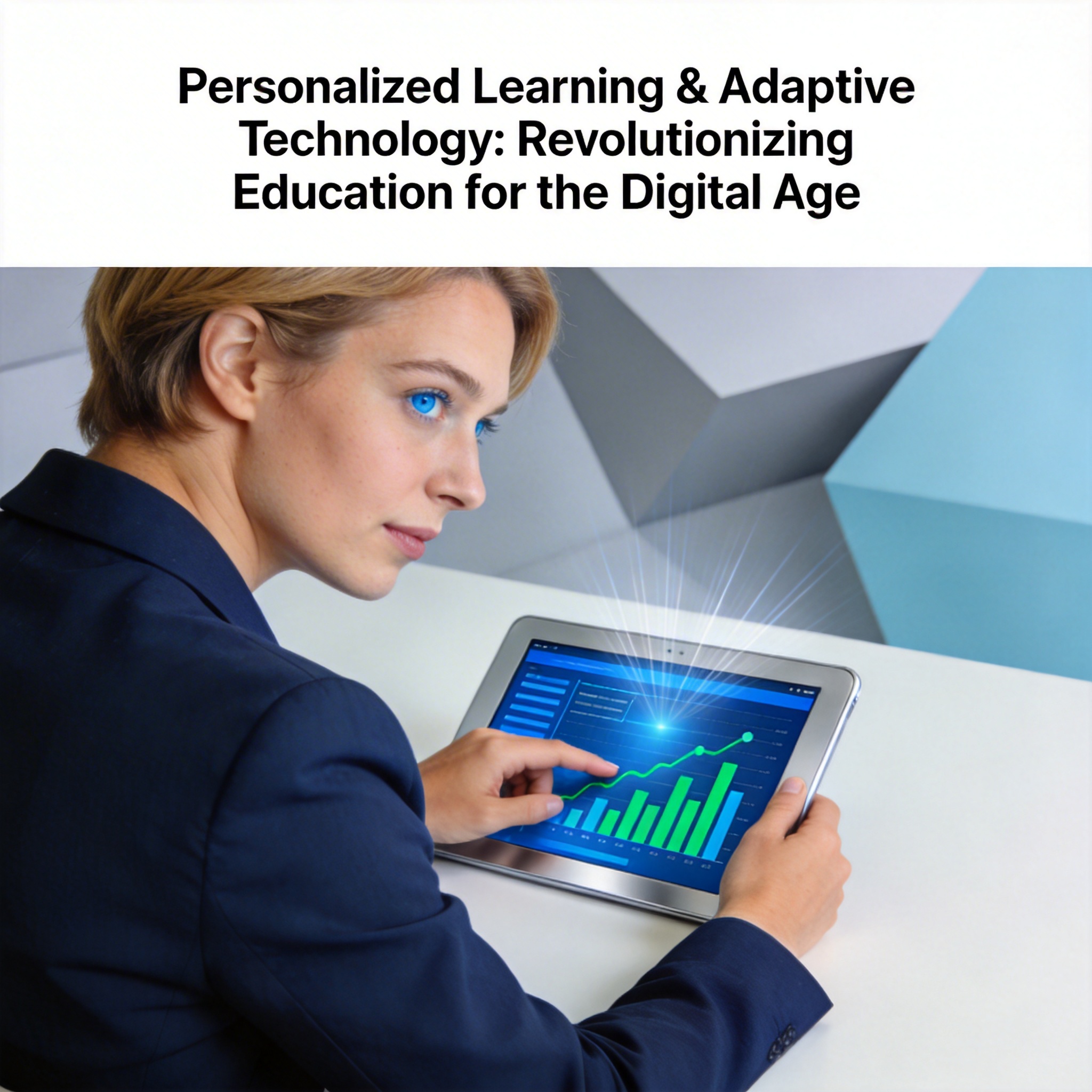
The future of hybrid and blended learning is inextricably linked to the advancement of technology. Artificial Intelligence (AI) is poised to play a transformative role. AI-driven tutors can provide instant feedback and personalized support to students, answering questions 24/7 and adapting to the learner’s proficiency level. Learning analytics can track student behavior—identifying who is at risk of falling behind—and alert instructors so they can intervene proactively.
Virtual Reality (VR) and Augmented Reality (AR) are also beginning to blur the lines between physical and digital learning. Imagine a medical student attending a lecture in person but then putting on a VR headset to practice a surgical procedure in a virtual lab from their dorm room. These technologies can simulate