The moment the sun dips below the horizon, the sartorial rules shift. Daytime practicality gives way to an realm of deliberate elegance, where fabrics shimmer, silhouettes command attention, and every stitch tells a story. This is the domain of eveningwear, a vast spectrum encompassing everything from sophisticated cocktail dresses for intimate dinners to opulent ball gowns reserved for the most grand occasions. Simultaneously, at the pinnacle of this world exists the dazzling, high-stakes stage of the red carpet, where eveningwear transcends mere clothing to become performance art, cultural commentary, and a globally broadcasted battleground of style. Understanding these interconnected yet distinct facets reveals not just what we wear after dark, but how fashion reflects, shapes, and responds to our deepest aspirations, societal shifts, and the relentless pulse of celebrity culture.
Eveningwear’s journey is deeply woven into the fabric of social history. Its origins lie in the rigid etiquette of European aristocracy, where specific attire denoted rank and occasion – think the elaborate court gowns of the 18th century or the structured corsets and vast crinolines of the Victorian era, designed explicitly for evening balls and receptions. The early 20th century saw revolutionary changes: the abandonment of corsetry, the rise of the flapper’s dropped waist and beaded chiffon, liberating women for the Charleston. Post-WWII, the mid-century modernist movement brought sleeker lines; Dior’s “New Look” offered voluptuous skirts for evening, while designers like Norman Norell championed understated, sophisticated elegance in rich fabrics like silk satin. The 1960s and 70s witnessed further democratization and experimentation – the mini dress became acceptable for some evening settings (though often controversial), halter necks, backless designs, and flowing maxi dresses in bohemian prints entered the scene, influenced by youth culture and a rejection of strict formality. By the late 20th century, the lines began to blur. The concept of “black tie optional” gained traction, offering more flexibility than the rigid “white tie” or full “black tie” requirements. Designers like Gianni Versace embraced bold glamour and sexuality, while minimalists like Calvin Klein offered clean, modern simplicity. Crucially, the rise of ready-to-wear and, later, accessible luxury brands meant high-fashion evening looks were no longer solely the preserve of the elite. Today, eveningwear is incredibly diverse: a sleek slip dress for a trendy restaurant, a tailored tuxedo for a woman at a gala, a romantic floral midi for a summer wedding, or a sequin-embellished jumpsuit for a nightclub. The unifying thread? An intentional move away from daytime casual towards garments crafted from luxurious materials (silk, satin, velvet, lace, fine wool) featuring elevated details – intricate beadwork, sophisticated draping, unique necklines, or statement sleeves – designed to catch the low light and elevate the wearer’s presence. It’s about curated specialness, a visual signal that the occasion matters.
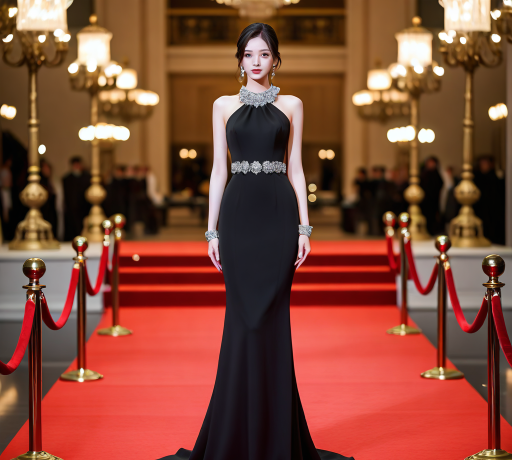
This curated specialness reaches its zenith on the red carpet, where eveningwear transforms into a potent symbol and a global spectacle. What began as simple press coverage for film premieres evolved, particularly from the 1990s onwards, into a meticulously orchestrated ecosystem. The red carpet is no longer just about showcasing a movie; it’s a primary marketing tool for actors, a crucial platform for designers seeking immense visibility, and a major news cycle driver for media outlets. Every step, pose, and gown is analyzed, dissected, and immortalized. The stakes are astronomical: a single appearance can launch a designer’s career, define an actor’s image for years, or spark worldwide trends overnight. Think of Halle Berry’s iconic, risk-taking Elie Saab sheer-lace gown at the 2002 Oscars – it shattered expectations, propelled Saab to international stardom, and cemented Berry’s status as a fashion icon, demonstrating the raw power of a single red carpet moment. Conversely, a misstep can lead to widespread mockery and damage reputations. The pressure to be “best dressed” is immense, driving celebrities and their teams (stylists, publicists, sometimes even designers) to pursue increasingly dramatic, unique, or emotionally resonant looks. This environment fosters incredible creativity but also intense scrutiny. Social media has amplified this exponentially; Instagram, Twitter, and TikTok turn red carpet looks into instant global conversations, with fan reactions, memes, and detailed breakdowns going viral within minutes. Furthermore, the red carpet has become a significant space for cultural and political expression. Actors increasingly use their attire to send messages – Lupita Nyong’o’s tribute to Black heritage through her Prada gowns, Billy Porter’s gender-bending tuxedo gown by Christian Siriano, or Emma Stone’s sustainable Louis Vuitton look highlight environmental concerns. The red carpet, therefore, functions as much more than a fashion show; it’s a dynamic intersection of entertainment, business, identity politics, and mass communication, where the right gown can speak volumes without a single word.
The symbiosis between mainstream eveningwear trends and the red carpet is undeniable. While high fashion on the runway sets the theoretical direction, it’s the red carpet that truly tests, popularizes, and ultimately dictates what filters down to the consumer level. A daring silhouette seen on a major star (like Zendaya’s sculptural Valentino couture) often inspires fast-fashion replicas within weeks. Color choices, embellishment techniques, and even fabric textures showcased by celebrities become aspirational benchmarks. However, a critical tension exists: the red carpet often prioritizes spectacle and narrative over wearability. Gowns designed specifically for the camera – featuring complex trains, extreme cut-outs, or impractical weights – may not translate directly to real-world evening events. Yet, the essence captured – the confidence, the drama, the celebration of craftsmanship – resonates deeply. Designers actively bridge this gap, creating diffusion lines or adapting red carpet concepts into more accessible eveningwear collections. Simultaneously, the growing demand for individuality and inclusivity, heavily voiced online, is pushing the red carpet itself to evolve. There’s greater acceptance of diverse body types, ethnicities, gender expressions, and non-traditional styles (like trousers or jumpsuits replacing gowns) than ever before. Sustainability is also becoming a factor, with more stars opting for vintage, upcycled, or consciously made pieces, influencing consumer choices. The red carpet, once a bastion of ultra-formality, now reflects the broader, more fluid, and conscientious values of contemporary society, constantly feeding new ideas back into the eveningwear landscape.
In essence, eveningwear provides the essential framework for navigating the heightened social experiences of nighttime, offering tools for self-expression and confidence. The red carpet, meanwhile, acts as the ultimate catwalk, magnifying these possibilities to a global audience and accelerating the evolution of taste. Together, they form a vibrant, ever-changing ecosystem that speaks volumes about who we are, who we aspire to be, and how we choose to present ourselves when the lights go down. From the quiet elegance of a private dinner to the blinding flashes of a thousand cameras, the language of eveningwear and red carpet fashion remains a powerful, universal dialect of desire, identity, and artistry. As long as there are nights worth dressing for, this dialogue between the personal and the spectacular will continue to captivate, inspire, and define the very essence of glamour in our collective imagination. The next time you slip into that special piece for an evening out, remember: you’re participating in a legacy, however small, of this fascinating sartorial conversation.