Beyond the Wrist: How Wearable Technology is Weaving Intelligence into the Fabric of Daily Life
Remember when “wearable technology” conjured images of clunky fitness bands or sci-fi headsets? Those days are long gone. Today, wearables have evolved from niche gadgets into sophisticated, seamless extensions of our bodies, quietly revolutionizing how we live, work, heal, and connect. This isn’t just about counting steps; it’s the dawn of a hyper-personalized, biologically aware era, where intelligence is woven directly into the clothes we wear, the glasses we see through, and even the patches on our skin. The transformation is profound, moving far beyond the wrist to reshape industries and redefine human potential.
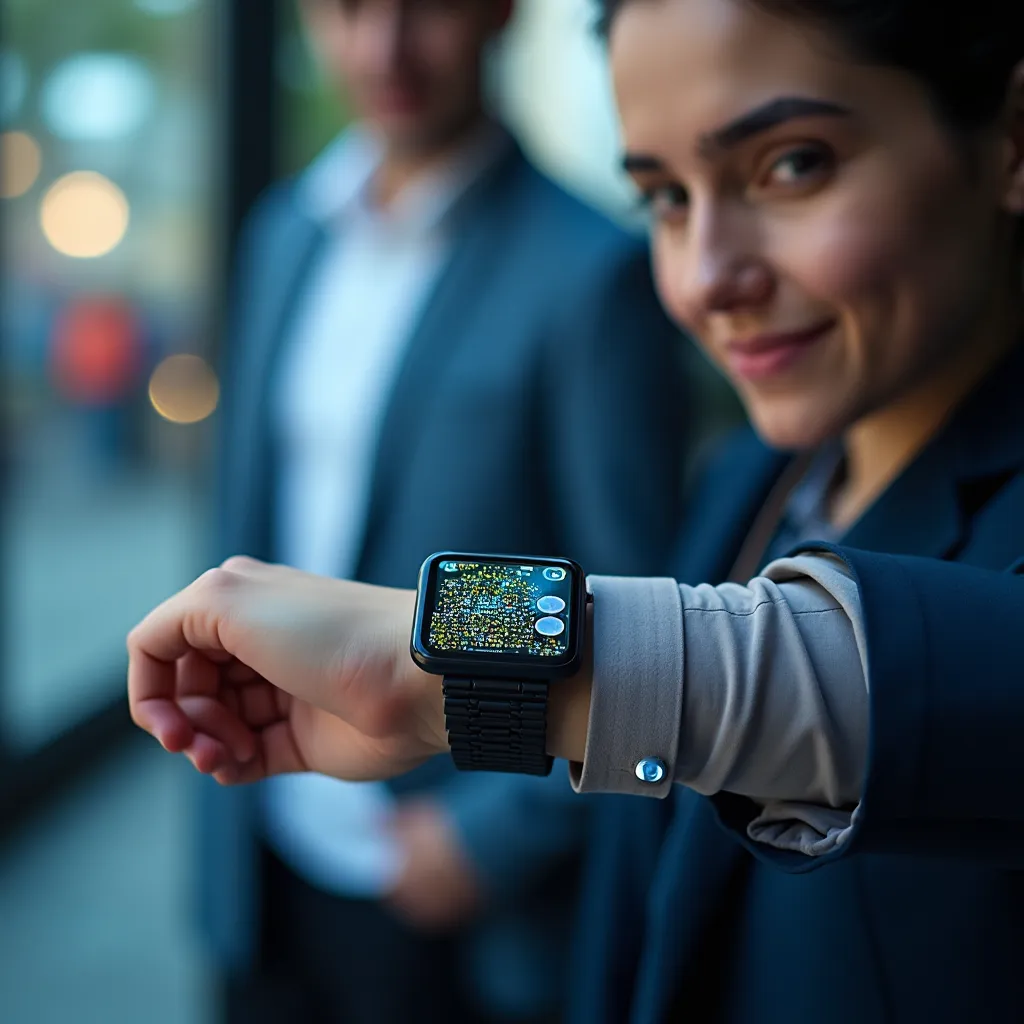
The most visible evolution is happening right on our bodies. Smartwatches and fitness trackers, once simple pedometers, are now medical-grade companions. Devices like the Apple Watch Series 9 or Withings ScanWatch Horizon offer electrocardiograms (ECGs), blood oxygen monitoring, fall detection, and even irregular heart rhythm alerts – capabilities actively saving lives by enabling early intervention. But the frontier has exploded outward. Smart fabrics are integrating flexible sensors directly into clothing, monitoring posture, muscle activity, hydration, or even stress levels through bio-metric threads. Think of a yoga shirt guiding your form in real-time or hospital gowns continuously tracking patient vitals without wires. Advanced hearables, like Bragi’s Dash Pro or Sony’s LinkBuds, transcend audio; they monitor heart rate during runs, detect environmental noise for safety, and translate languages on the fly. Even smart glasses, pioneered by companies like Vuzix and increasingly refined by giants like Meta (Ray-Ban Meta), are moving beyond cameras to offer augmented reality overlays for navigation, real-time language translation, and contextual information delivery, blending digital and physical worlds effortlessly. Crucially, these devices are becoming *less* obtrusive – smaller, lighter, with longer battery life and intuitive interfaces, making continuous data collection a natural part of existence, not a chore.
This explosion isn’t driven by hardware alone; it’s fueled by converging technological forces. The miniaturization of sensors (MEMS – Micro-Electro-Mechanical Systems) allows for incredibly precise, low-power biological monitoring. Advances in flexible electronics and conductive polymers enable sensors to bend, stretch, and conform comfortably to the body. Artificial Intelligence and Machine Learning are the true magicians, deciphering the massive streams of biometric and contextual data. AI algorithms can predict health events (like hypoglycemia spikes detected by continuous glucose monitors), optimize athletic performance by analyzing movement patterns, or even detect early signs of depression through speech patterns and mobility changes captured by smartphones. Furthermore, the rise of the Internet of Things (IoT) means wearables aren