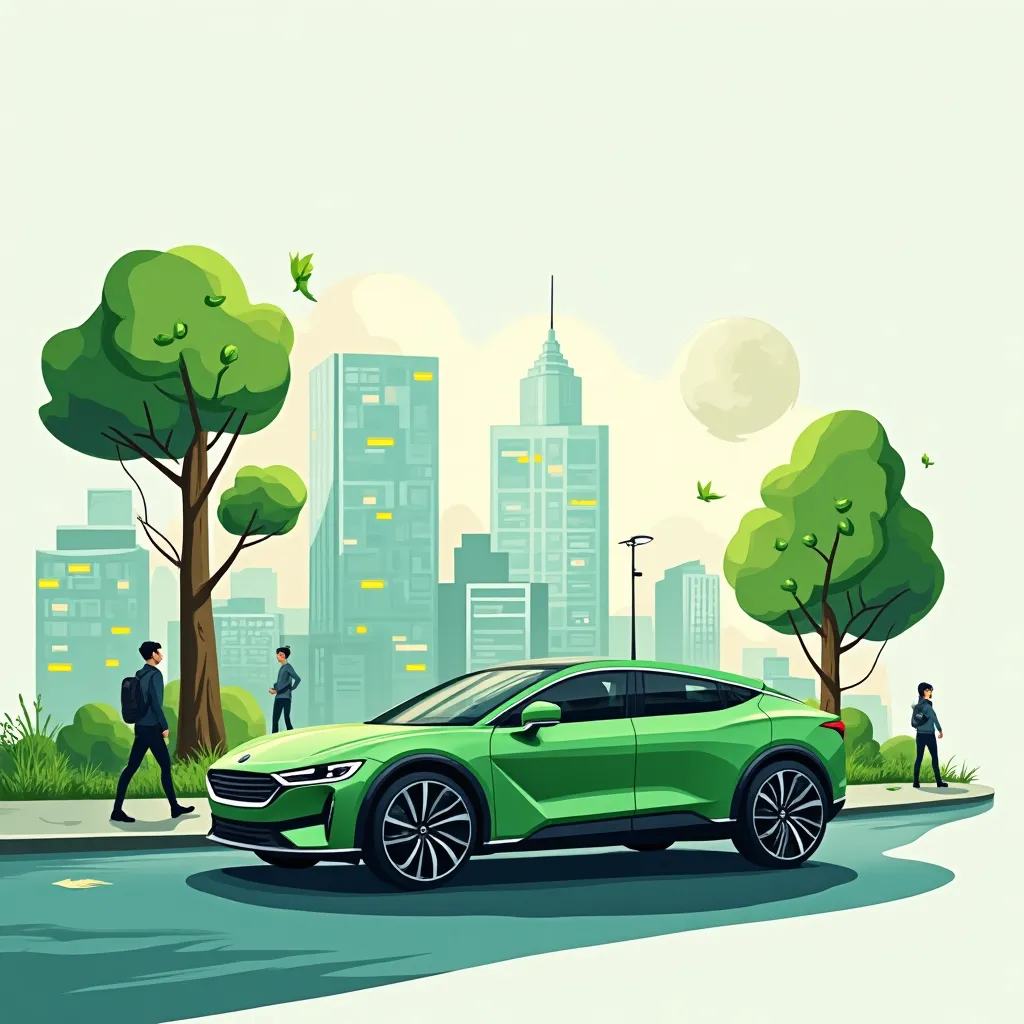
Picture this: You’re commuting to work, but instead of idling in traffic, you’re gliding silently past congested lanes on a dedicated bus lane, powered by solar energy. Your smartphone app seamlessly combines this ride with a short e-bike trip from the stop to your office, all paid for with a single, eco-friendly transit pass. This isn’t science fiction; it’s the tangible reality of green transportation – a dynamic, rapidly evolving field far exceeding the simple narrative of “just switching to electric cars.” It’s a fundamental reimagining of how people and goods move, prioritizing environmental sustainability, public health, and economic efficiency through a diverse, interconnected suite of solutions. Ignoring its potential isn’t just shortsighted; it’s a luxury our planet, battling climate change and choking on urban smog, simply cannot afford. The transition isn’t merely desirable; it’s an urgent necessity for a livable future.
The core of green transportation lies in dramatically reducing or eliminating greenhouse gas emissions and air pollutants associated with movement. While electric vehicles (EVs) rightfully grab headlines, true sustainability demands a broader perspective. Consider the often-overlooked champion: public transit. A fully occupied bus produces significantly fewer emissions *per passenger-mile* than multiple single-occupancy vehicles, even if that bus runs on conventional fuel. When powered by renewable energy, its impact plummets further. High-speed rail, as proven across Europe and Asia, offers a comfortable, efficient, and vastly cleaner alternative to short-haul flights and long-distance driving. But the revolution extends well beyond engines. Active transportation – walking and cycling – represents the most ancient, yet cutting-edge, green transport. Cities worldwide are aggressively expanding safe, connected networks of protected bike lanes and pedestrian-friendly infrastructure. Amsterdam and Copenhagen aren’t just charming; they’re blueprints demonstrating how designing streets for people, not just cars, fosters healthier populations, stronger communities, and local economies thriving without traffic fumes. Furthermore, smart technology acts as the nervous system of this ecosystem. Real-time transit apps, integrated payment systems, and AI-powered traffic management optimize routes, reduce wait times, and make sustainable choices effortlessly convenient, nudging behavior away from private car dependency.
However, the path to a truly green transportation network isn’t paved solely with technology; it requires fundamental shifts in infrastructure, policy, and cultural mindset. Relying exclusively on EVs, without addressing the root causes of car dependency, risks merely swapping tailpipe emissions for different environmental burdens, like resource-intensive battery production and strained electricity grids. The solution lies in transit-oriented development (TOD), where dense, mixed-use communities are built around high-capacity transit hubs, making walking, biking, and riding public transport the default, easiest choice for daily needs. Policies play a critical role: implementing congestion pricing (as successfully done in London and Singapore), redirecting road space towards bikes and buses, setting stringent emissions standards, and investing strategically in charging infrastructure *where people actually live and work*. Crucially, equity must be central. Green transportation must be affordable, accessible, and benefit all communities, particularly those historically marginalized by poor transit access or located near pollution sources. Initiatives like subsidized transit passes for low-income residents or