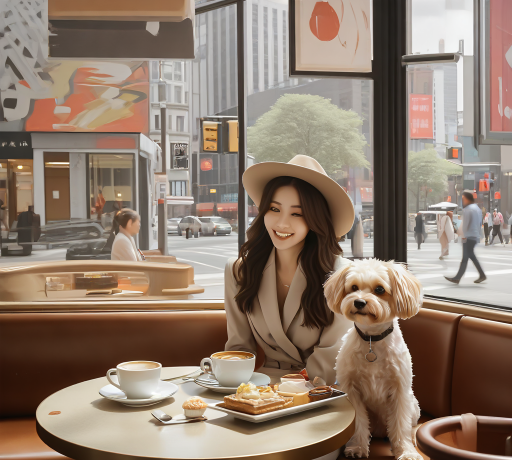
Gone are the days when a simple collar and leash constituted the entirety of a pet’s wardrobe. Today, stepping onto the sidewalk with your dog or cat often feels like entering a miniature runway show, where tiny sweaters, bespoke carriers, and even coordinated human-pet ensembles are the norm. The world of Pet Fashion & Accessories has exploded from a niche novelty into a multi-billion dollar global industry, reflecting profound shifts in our relationship with our companion animals and our own sense of identity. This isn’t merely about keeping Fluffy warm; it’s a vibrant, complex ecosystem driven by emotion, technology, social connection, and a deep-seated desire to express ourselves through our beloved furry family members. What began as practical protection has evolved into a powerful form of self-expression, community building, and even therapeutic engagement, fundamentally reshaping how we perceive and interact with our pets.
The transformation is staggering. Just a couple of decades ago, pet clothing was largely functional – think heavy-duty winter coats for sled dogs or reflective vests for search-and-rescue units. While functionality remains crucial (and forms a significant segment of the market), the dominant narrative now is undeniably fashion. High-end boutiques specializing solely in pet apparel, online marketplaces teeming with independent designers, and even major retailers dedicating entire sections to pet couture are testament to this shift. Luxury brands like Gucci, Louis Vuitton, and Coach have entered the fray, offering designer carriers, collars adorned with crystals, and pricey seasonal collections. Simultaneously, the rise of social media, particularly Instagram and TikTok, has been catalytic. “Fur babies” with thousands or even millions of followers showcase elaborate outfits, themed photoshoots, and accessory-laden lifestyles, turning everyday pet owners into curators of their pet’s digital persona. This visibility fuels trends, creates aspirations, and normalizes the idea that pets are extensions of our personal style. The motivation is deeply rooted in the evolving status of pets themselves. Increasingly viewed as integral family members, emotional support providers, and sources of unconditional love, it’s only natural that owners seek ways to celebrate and enhance that bond. Dressing a pet becomes an act of affection, a tangible way to show care beyond basic needs. It’s also a potent form of self-expression. For many, especially in urban environments, a pet’s appearance is an extension of their owner’s aesthetic – matching a handbag to a collar, choosing colors that complement their own wardrobe, or selecting styles that reflect their personality (bohemian, preppy, edgy, minimalist). A well-accessorized pet becomes a conversation starter, a walking icebreaker that fosters connections with other pet lovers, building community in both physical spaces and online forums. Furthermore, the pandemic significantly accelerated this trend. With more people working from home and seeking comfort and joy, investing time and resources into pampering pets, including through fashion, became a popular and emotionally rewarding activity. The focus shifted from mere utility to creating shared moments of fun and visual delight.
However, navigating the world of pet fashion requires awareness and responsibility. Beneath the glittering surface of sequined harnesses and custom-made rain boots lies a critical layer of ethical consideration and animal welfare. Not all trends are created equal, and what looks adorable on a website model might cause genuine distress or discomfort for the animal. Prioritizing pet comfort and safety is non-negotiable. Materials must be non-toxic, breathable, and appropriate for the season. Ill-fitting garments can restrict movement, cause chafing, or lead to entanglement hazards. Heavy accessories or anything that impedes vision, hearing, or the ability to pant (essential for dogs’ cooling) should be avoided. Observing your pet’s body language is paramount – signs of stress, lethargy, or attempts to remove the item indicate it’s time to ditch the accessory. Fortunately, the industry is responding. There’s a growing demand for veterinarian-approved designs, ergonomic carriers, and materials specifically engineered for pet comfort and safety. Brands increasingly emphasize features like adjustable straps, soft linings, and lightweight construction. Sustainability is also emerging as a key concern. Conscious consumers are seeking out eco-friendly materials (recycled plastics, organic cotton, hemp), durable products built to last, and brands committed to ethical manufacturing practices, mirroring broader consumer trends. This push towards responsible innovation ensures that the boom in pet fashion doesn’t come at the expense of the very creatures it aims to celebrate. It’s about finding the sweet spot where style meets compassion, where the joy of expression aligns perfectly with the animal’s well-being. After all, the ultimate goal is a happy, comfortable pet whose presence brings us joy, regardless of whether they’re sporting a diamond-studded collar or a simple, well-worn bandana.
The trajectory of pet fashion is undeniably upward, but its future will likely be defined by greater sophistication, personalization, and integration with technology. We can anticipate smarter accessories – carriers with built-in health monitors, collars with GPS tracking seamlessly disguised within stylish designs, or even climate-controlled garments adapting to weather conditions. Personalization will reach new heights, with AI-driven tools allowing owners to design truly one-of-a-kind pieces based on their pet’s breed, size, coloring, and even personality traits. Collaborations between established fashion houses and pet-specific brands will become more common, blurring lines further. Crucially, the conversation around ethics and sustainability will intensify, driving innovation in materials and production. As pet owners become more informed, they will demand transparency and accountability, pushing the industry towards higher standards. Yet, amidst all this evolution, the core essence remains unchanged: pet fashion is ultimately a reflection of the profound, irreplaceable bond between humans and their companion animals. It’s a playful, visible language of love, care, and shared identity. Whether it’s a tiny bow tie for a chihuahua, a practical yet stylish rain jacket for a golden retriever, or simply a beautiful collar that signifies belonging, these accessories do more than decorate; they strengthen the invisible threads that connect us. They turn walks into celebrations, grooming sessions into bonding rituals, and ordinary moments into opportunities for shared joy. In a world often fractured, the simple, heartfelt act of dressing up our furry friends serves as a gentle reminder of the universal language of love and the enduring power of companionship. So, the next time you see a dapper dog strutting down the street in a perfectly coordinated outfit, know that it’s far more than just fashion – it’s a heartfelt declaration of the special place our pets hold in our lives and hearts.