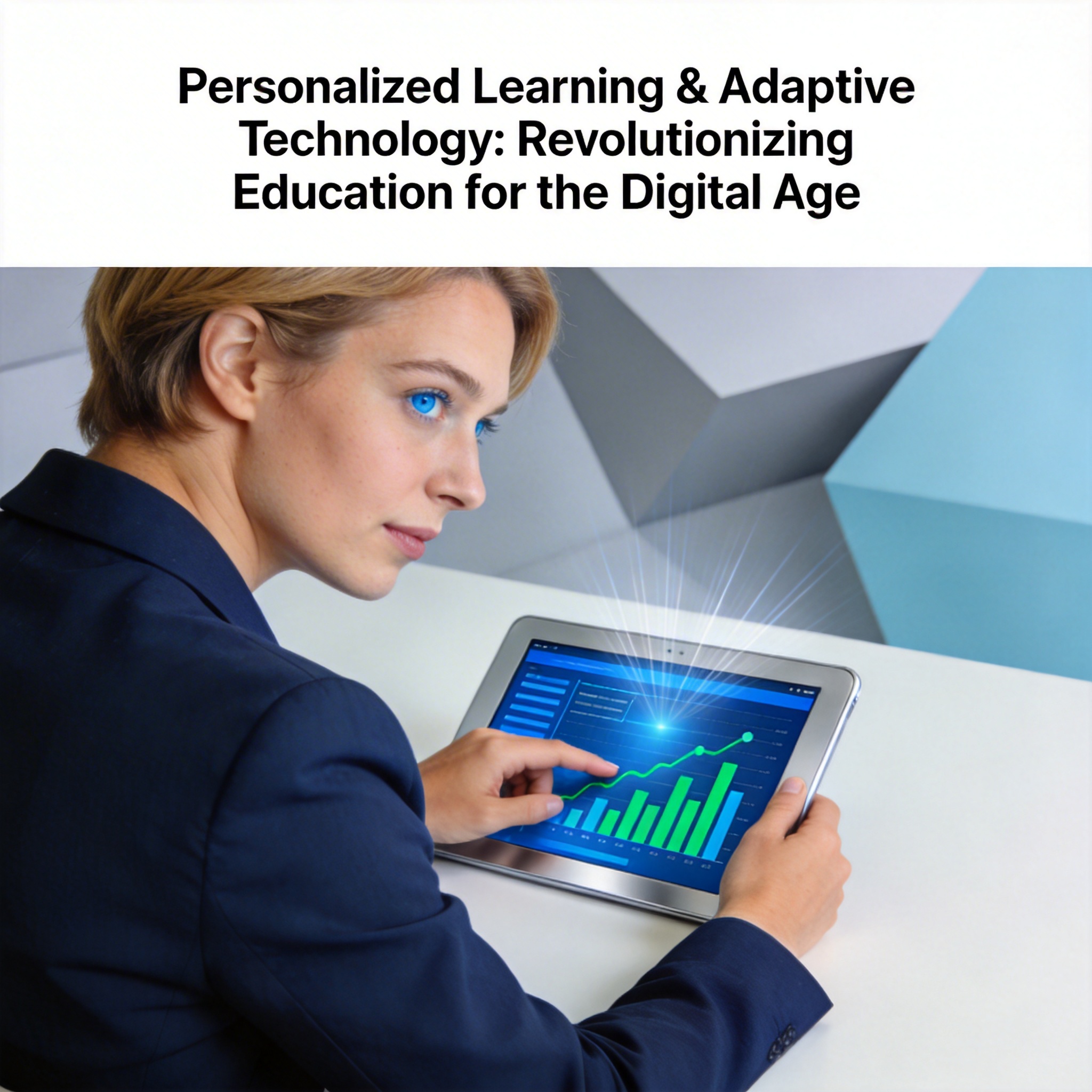
In the rapidly shifting landscape of the modern business world, the only constant is change. Technological advancements, evolving market dynamics, and the increasing expectations of the workforce have converged to create an environment where standing still is synonymous with falling behind. In this context, Corporate Learning & Development (L&D) has emerged from the shadows of the Human Resources department to take center stage as a critical strategic driver. No longer viewed merely as a compliance requirement or a perk for high-performing employees, L&D is now recognized as the heartbeat of organizational agility, innovation, and sustained competitive advantage. As businesses navigate the complexities of the Fourth Industrial Revolution, the ability to learn, unlearn, and relearn has become the most valuable asset a company possesses.
The Strategic Imperative: From Cost Center to Profit Driver
For decades, L&D was often treated as a cost center—an operational necessity focused primarily on onboarding new hires and ensuring statutory compliance. Training budgets were frequently the first to be slashed during economic downturns, and the effectiveness of programs was rarely measured against business outcomes. However, this perspective has undergone a radical transformation. Today, forward-thinking organizations understand that a robust L&D strategy is directly linked to revenue growth, customer satisfaction, and market share.
The shift from a “training” mindset to a “learning” mindset is subtle but profound. Training implies a one-time event, often a classroom session or a standardized online module, where information is deposited into the minds of employees. Learning, on the other hand, is a continuous journey. It is about fostering an environment where knowledge acquisition is embedded in the daily flow of work. When L&D is aligned with business strategy, it addresses specific skill gaps that hinder performance. For instance, if a company aims to digitize its services, the L&D department doesn’t just offer a generic “Digital Literacy” course; it curates a comprehensive upskilling program focused on data analytics, user experience design, and cloud computing specifically tailored to the company’s tech stack.
Moreover, the link between L&D and talent retention is undeniable. In an era where employees prioritize professional growth over job security, a lack of development opportunities is a primary driver of attrition. The modern workforce, particularly Millennials and Gen Z, views learning as a form of currency. They want to work for organizations that invest in their future. By providing clear pathways for career progression and skill acquisition, companies not only retain their top talent but also attract high-caliber candidates from competitors. Consequently, L&D has evolved into a powerful tool for employer branding, signaling to the market that the organization values intellectual curiosity and human capital.
The Digital Transformation of Learning: Micro-learning, Mobile, and Beyond
The delivery mechanisms for corporate learning have changed drastically, mirroring the digital transformation seen in other industries. The days of dragging employees away from their desks for day-long seminars are fading. In their place, we see the rise of digital, on-demand learning solutions that respect the learner’s time and attention span. This shift is driven by the realization that the traditional “spray and pray” method—spraying content across a large audience and praying that it sticks—is inefficient and yields low retention rates.
One of the most significant trends in modern L&D is micro-learning. This approach involves breaking down complex information into small, manageable units that can be consumed in short bursts. A micro-learning module might be a three-minute video, an interactive infographic, or a quiz that can be completed during a commute or a coffee break. This method aligns perfectly with the cognitive science of learning; spaced repetition and bite-sized content help move information from short-term to long-term memory more effectively than cramming. Furthermore, micro-learning supports the “just-in-time” learning model. Instead of learning a skill months before they need it, employees can access relevant content exactly when they encounter a problem, thereby bridging the gap between knowing and doing.
Mobile learning has further accelerated this accessibility. With the ubiquity of smartphones, learning has become untethered from the physical office or the desktop computer. Learning Experience Platforms (LXPs) have begun to replace traditional Learning Management Systems (LMS). While an LMS is often administrative and top-down—focusing on tracking completion rates—an LXP is user-centric and consumer-grade. It functions much like Netflix or Spotify, using algorithms to recommend content based on the learner’s role, interests, and past behavior. This personalization ensures that employees are not overwhelmed with irrelevant courses but are instead presented with a curated playlist of learning assets that are directly applicable to their career goals and current projects.
The Role of Data and Analytics in Shaping the Future
Data is the fuel that powers modern business, and L&D is no exception. In the past, measuring the success of training was notoriously difficult, often relying on the “Kirkpatrick Model” and stopping at Level 2 (Learning) or Level 3 (Behavior), rarely reaching Level 4 (Results). Today, the integration of advanced analytics and Artificial Intelligence (AI) allows L&D professionals to dive deep into the efficacy of their programs with unprecedented precision.
We are moving towards a data-driven culture where decisions are based on metrics rather than intuition. Modern platforms can track a vast array of data points: how long an employee spends on a module, where they drop off, which content formats they prefer, and how they perform in assessments. This data allows L&D teams to identify bottlenecks in the curriculum and optimize content for better engagement. For example, if data shows that sales representatives are consistently failing a module on negotiation techniques, the organization can analyze the specific parts of the module where engagement drops and revise the content to be more interactive or relevant.
Furthermore, predictive analytics are changing the game regarding talent management. By analyzing an employee’s learning history, skill assessments, and performance data, AI can help predict future potential and readiness for leadership roles. This allows organizations to move from reactive hiring—filling a gap only after it becomes critical—to proactive workforce planning. If the data indicates a looming shortage of cybersecurity experts within the company in two years, the L&D department can launch a reskilling program today to prepare internal talent for those future roles. This not only saves on recruitment costs but also boosts morale, as employees see a clear, data-backed trajectory for their advancement within the company.
Cultivating a Culture of Continuous Learning
While technology and strategy are vital, the true success of Corporate Learning & Development hinges on culture. You can purchase the most expensive LXP, curate the best content, and hire brilliant instructional designers, but if the organizational culture does not support growth, the initiative will fail. A learning culture is one where curiosity is encouraged, mistakes are viewed as learning opportunities, and knowledge sharing is rewarded across all levels of the hierarchy.
Leadership plays a pivotal role in cultivating this culture. It is not enough for CEOs to simply pay lip service to the importance of learning; they must model it. When leaders actively participate in learning initiatives, mentor junior employees, and share their own insights and failures, it sends a powerful message that learning is everyone’s business. In a true learning organization, the “Chief Learning Officer” is not just a title held by one person; it is a role played by every manager and team lead.
Social learning is another critical component of a robust learning culture. Humans are social creatures, and we learn best from one another. Platforms that facilitate mentorship, peer coaching, and collaborative projects are essential. Creating communities of practice—groups of people who share a concern or a passion for something they do and learn how to do it better as they interact regularly—can be more effective than formal training. Encouraging employees to blog about their projects, host “lunch and learn” sessions, or create tutorials for their colleagues helps to democratize knowledge and break down silos within the organization. When learning becomes a social activity rather than a solitary chore, engagement skyrockets.
The Future: AI, VR, and the Human Element
Looking ahead, the horizon of Corporate Learning & Development is filled with exciting possibilities. Artificial Intelligence is set to revolutionize personalization further. We can anticipate AI tutors that provide real-time feedback and coaching, adapting to the learner’s pace and emotional state. Virtual Reality (VR) and Augmented Reality (