In an era defined by interconnectedness, the challenges facing humanity are no longer confined within national borders. Climate change does not respect passport checks; economic fluctuations in one region ripple across the globe instantly; and the digital revolution has created a virtual space where ideas—and ideologies—transcend geographical boundaries. Yet, despite these realities, our traditional education systems remain largely rooted in a 19th-century model designed to serve the nation-state. We are preparing students for a world that no longer exists. This is where Global Citizenship Education (GCED) emerges not just as a buzzword, but as an urgent pedagogical imperative. It represents a shift from educating students to be merely competent workers or loyal nationals to nurturing them to be active, compassionate, and informed inhabitants of a shared planet.
Understanding the Essence of Global Citizenship Education
At its core, Global Citizenship Education is a transformative approach to education that empowers learners of all ages to face global challenges and to become active promoters of a more peaceful, tolerant, inclusive, secure, and sustainable world. According to UNESCO, GCED aims to instill in learners the values, attitudes, and behaviors that support responsible global citizenship. However, there is often a misconception that being a “global citizen” means renouncing one’s national identity. On the contrary, GCED operates on the concept of “glocalization”—the idea that global awareness begins with local understanding. It encourages students to understand their own cultural heritage while simultaneously appreciating the complex web of relationships that link their local community to the wider world.
GCED is built upon three primary conceptual dimensions: cognitive, socio-emotional, and behavioral. The cognitive dimension involves acquiring knowledge and understanding of global issues, interdependence, and the mechanisms of globalization. It is about knowing the facts of climate change, the history of human rights, and the dynamics of the global economy. The socio-emotional dimension is perhaps the most profound, as it deals with fostering a sense of belonging to a common humanity, sharing values and responsibilities, and developing empathy, solidarity, and respect for differences. Finally, the behavioral dimension translates this knowledge and empathy into action. It is about moving beyond passive learning to active engagement, encouraging learners to effectively and responsibly act at local, national, and global levels to address global challenges.
The Urgent Need for GCED in the 21st Century
Why is this shift necessary now? The answer lies in the complexity of the “VUCA” world—Volatile, Uncertain, Complex, and Ambiguous—that current graduates are entering. The traditional curriculum, often siloed into rigid subjects, fails to equip students with the interdisciplinary thinking required to solve wicked problems like poverty, pandemics, and political extremism. We are seeing the rise of insularity and nationalism in many parts of the world, often fueled by a fear of the “other.” Without a framework to understand and navigate cultural differences, fear often leads to xenophobia and conflict. GCED provides the antidote to this fear by replacing ignorance with knowledge and suspicion with empathy.
Furthermore, the job market of the future demands the very skills that GCED prioritizes: critical thinking, cross-cultural communication, collaboration, and problem-solving. In a globalized economy, a professional will inevitably interact with colleagues, clients, and competitors from diverse backgrounds. The ability to understand different cultural contexts and to communicate across linguistic and cultural barriers is no longer just a “nice-to-have” soft skill; it is a prerequisite for success. By fostering these competencies, GCED is not just creating better citizens; it is creating a more adaptable and innovative workforce capable of driving economic growth in a sustainable manner.
Pedagogy and Practice: How GCED Transforms the Classroom
Implementing Global Citizenship Education requires a fundamental shift in how we teach. It moves away from the “banking model” of education, where teachers deposit information into passive students, toward a student-centered, inquiry-based approach. In a GCED-oriented classroom, the teacher acts less as a gatekeeper of knowledge and more as a facilitator of dialogue. The curriculum becomes a lens through which to view the world. For example, a science lesson on water cycles can evolve into a discussion on water scarcity and sanitation rights in developing nations. A history lesson is no longer just about dates and battles, but an analysis of cause-and-effect, migration patterns, and the evolution of human rights.
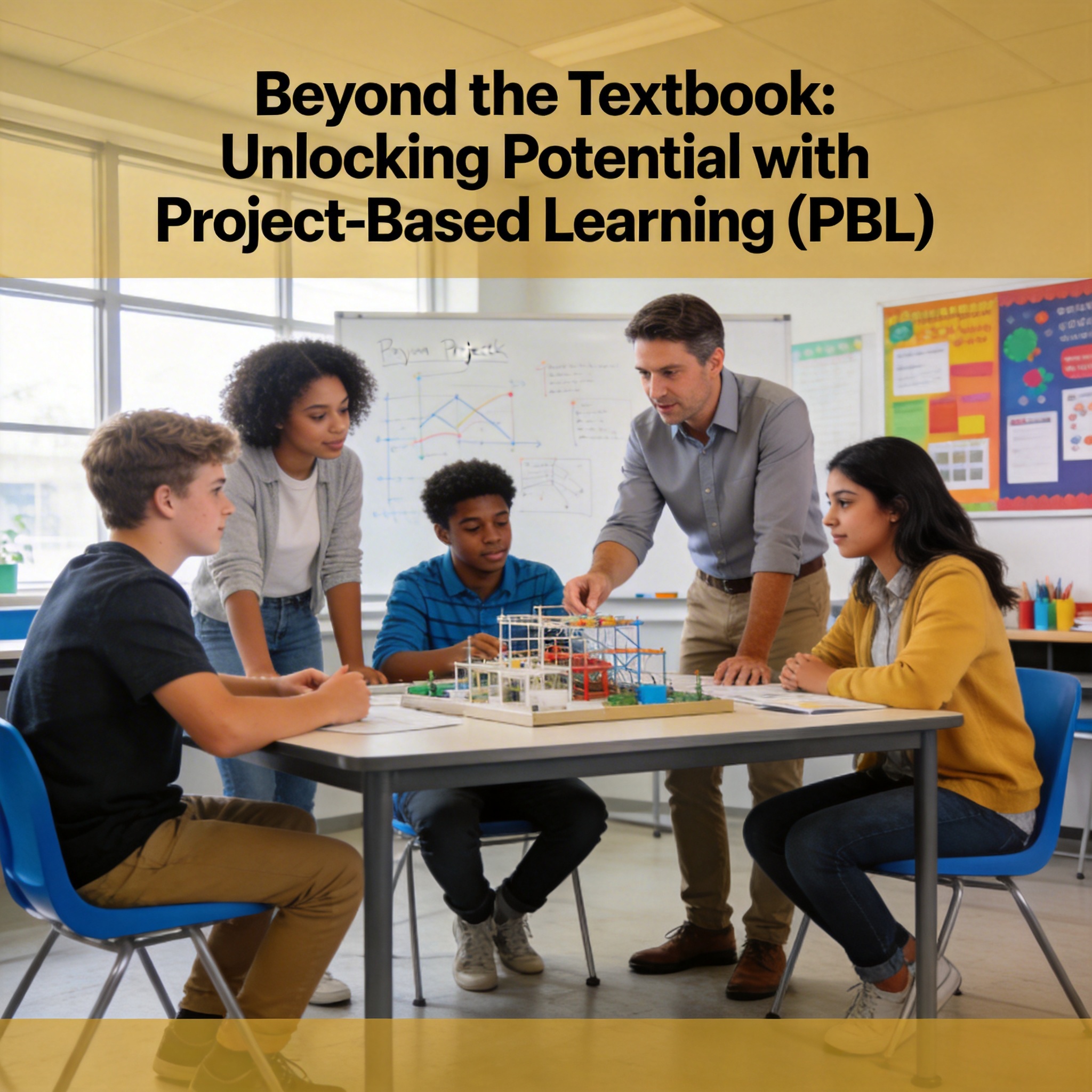
A central pillar of GCED pedagogy is the concept of Service Learning or Project-Based Learning (PBL). These methods encourage students to identify a problem in their community or the wider world and work collaboratively to propose solutions. This might involve organizing a local recycling drive to understand sustainability, partnering with a school in a different country via video conferencing to exchange cultural perspectives, or advocating for policy changes regarding social justice. These experiences bridge the gap between theory and practice, showing students that they have agency and that their actions can have a tangible impact.
Moreover, GCED emphasizes the importance of media and information literacy. In the digital age, students are bombarded with vast amounts of information, much of which is biased or outright false. GCED equips students with the critical tools to analyze sources, verify facts, and distinguish between credible information and misinformation. This is crucial for the health of democratic societies, as an informed citizenry is the best defense against manipulation and polarization.
Navigating Challenges and Misconceptions
Despite its clear benefits, the implementation of GCED is not without challenges. One of the most significant hurdles is the potential for political resistance. In some regions, GCED is viewed with suspicion, seen as an attempt to impose a “globalist” agenda that undermines national sovereignty or traditional values. Critics argue that focusing on global issues dilutes the focus on national history and civic duties. Addressing this requires a nuanced approach. Educators and policymakers must frame GCED not as a replacement for national citizenship, but as an expansion of it. It is about loving one’s country enough to want it to be a responsible member of the global community.
Another challenge lies in assessment. Traditional standardized tests are ill-equipped to measure the socio-emotional growth and behavioral changes that GCED aims to foster. How do you grade empathy or measure a student’s commitment to social justice? To overcome this, educational systems need to develop more holistic assessment methods, such as portfolios, self-reflections, and peer assessments, which capture the qualitative development of the student.
There is also the risk of superficiality. “Global citizenship” can easily become a tokenistic label slapped onto a curriculum without any substantive change—a poster of children holding hands around the globe without any deep discussion of inequality or power dynamics. Effective GCED requires “critical global citizenship,” which does not shy away from difficult conversations about colonialism, systemic injustice, and economic disparity. It encourages students to question power structures and understand that global problems are rarely simple; they are often rooted in historical and political complexities.
The Role of Educators and Policy Makers
For GCED to move from theory to widespread practice, it requires strong support from both the top down and the bottom up. Policy makers must integrate GCED into national education frameworks and teacher training programs. This means providing funding for curriculum development, creating resources that are culturally relevant, and ensuring that assessment criteria reflect the goals of GCED. UNESCO’s Sustainable Development Goal 4.7 specifically targets this, calling for all learners to acquire the knowledge and skills needed to promote sustainable development, including through education for global citizenship.
However, policy is only as effective as the teachers who implement it. Teachers are the linchpins of this educational transformation. They need ongoing professional development to build their own confidence and competence in handling global issues. Many educators may feel ill-equipped to teach