Gone are the days when modesty in dress was confined to whispered corners or seen solely as a religious obligation. Modest Fashion has exploded onto the global stage, not as a fleeting trend, but as a significant, multi-billion-dollar industry reshaping perceptions of style, identity, and empowerment. Far from being a monolithic concept defined by drabness or concealment, it represents a vibrant, diverse, and deeply personal expression of elegance, cultural identity, and conscious choices. From the intricately embroidered abaya showcased on Parisian runways to the sleek, contemporary hijab styles sported by street-style icons in Tokyo, modest fashion has transcended its origins to become a powerful narrative of self-determination, challenging narrow beauty standards and redefining what it means to be fashionable in the 21st century. This isn’t just about covering up; it’s about revealing a profound sense of self, dignity, and creative confidence that resonates across continents and cultures.
The rise of modest fashion is intrinsically linked to the increasing visibility and agency of Muslim women, who have long been at the forefront of this aesthetic. Historically, modest dress in various faith traditions – including Islam, Judaism, Christianity, and others – has carried deep spiritual and communal significance. However, within the dominant Western fashion narrative, these expressions were often marginalized, misunderstood, or actively resisted. The turning point came with the confluence of globalization, digital connectivity, and a growing desire among Muslim women to assert their identities on their own terms. Pioneering designers like Indonesia’s Anniesa Hasibuan, who made history by sending models down New York Fashion Week runways in exquisitely crafted hijabs and jilbabs, and Turkey’s Hafiza Hümeyra, known for her sophisticated, modern interpretations of the chador, began to challenge the notion that modesty and high fashion were mutually exclusive. Social media platforms, particularly Instagram and YouTube, became crucial incubators. Influencers like Modanisa’s founder, Kerime Memis, and international figures like Halima Aden (the first hijab-wearing model on the cover of Vogue) provided visible, relatable representations, demonstrating that modest dress could be incredibly chic, versatile, and aligned with contemporary tastes. This digital democratization allowed Muslim women globally to share ideas, discover brands, and collectively shape a narrative that moved beyond external validation towards internal affirmation. The industry responded: major retailers like H&M, Uniqlo, and Nike launched dedicated modest lines, recognizing the immense economic power and stylistic sophistication of this demographic. Today, the modest fashion sector is valued at over $321 billion annually (according to DinarStandard), projected to grow significantly, proving it’s far more than a niche market – it’s a mainstream cultural and economic force driven by genuine consumer demand and creative innovation.
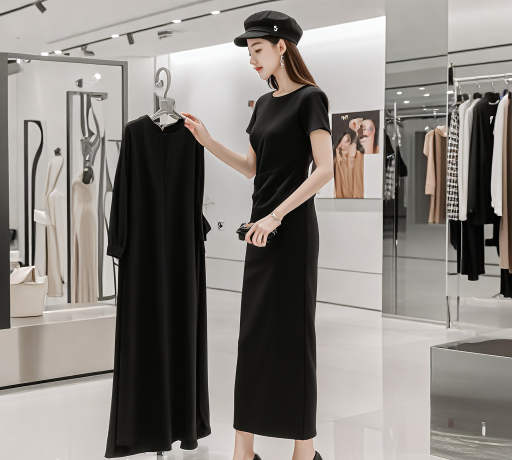
Crucially, the appeal and meaning of modest fashion extend far beyond any single religious community. Its core principles – prioritizing comfort, elegance, and intentionality over revealing trends, valuing craftsmanship and quality fabrics, and embracing personal expression within parameters of coverage – resonate with a broader, secular audience increasingly critical of fast fashion’s environmental toll and hyper-sexualized imagery. Women seeking timeless, versatile pieces that allow them to express individuality without conforming to restrictive beauty ideals find solace in modest fashion’s offerings. Designers worldwide are responding by creating collections that speak to universal desires for sophistication, modesty, and mindfulness. Consider the global popularity of loose-fitting linen trousers, elegant midi skirts, luxurious tailored coats, and innovative layering techniques – elements central to modest wardrobes but now ubiquitous in contemporary fashion. Brands like Stella McCartney, with her commitment to sustainable luxury, or emerging labels focused on ethical production, often echo modest fashion’s emphasis on quality and longevity. Furthermore, modest fashion actively challenges the pervasive idea that a woman’s worth or attractiveness is tied to the amount of skin she reveals. It fosters a different kind of confidence – one rooted in intellect, character, spirituality, and personal style choices, rather than external objectification. This shift is profoundly empowering, granting individuals, particularly women, the freedom to define their own relationship with fashion, free from societal coercion towards exposure. It’s a rejection of the pressure to constantly perform desirability through minimal clothing, offering instead a path to style that feels authentic, respectful, and deeply personal.
The evolution of modest fashion is not without its complexities and ongoing conversations. Debates persist within communities about the boundaries of modesty, the influence of commercialization, and ensuring designs remain true to spiritual intent while embracing modernity. There’s also a vital need for greater inclusivity within the modest fashion sphere itself – representing the full spectrum of body types, ages, ethnicities, and interpretations of modesty across different cultures and personal journeys. Is the industry truly serving diverse needs, or leaning towards homogenized, Western-centric ideals of beauty? Despite these nuances, the undeniable trajectory is clear: modest fashion has irrevocably altered the landscape. It has forced the global fashion industry to acknowledge the sophistication, purchasing power, and creative vision of millions. More importantly, it has provided a powerful tool for individuals, especially women, to navigate the world with greater autonomy and self-respect. It demonstrates that style and substance, elegance and ethics, cultural heritage and contemporary flair, are not opposing forces, but can coexist beautifully. Modest fashion isn’t about restriction; it’s about expansion – expanding the definition of beauty, expanding the possibilities of self-expression, and expanding the space for dignity and personal choice within the ever-evolving story of human adornment. As designers continue to innovate, communities engage in dialogue, and consumers embrace its principles, modest fashion will undoubtedly remain a dynamic and influential chapter in the ongoing quest for fashion that serves the wearer, not just the observer.